 Pin It
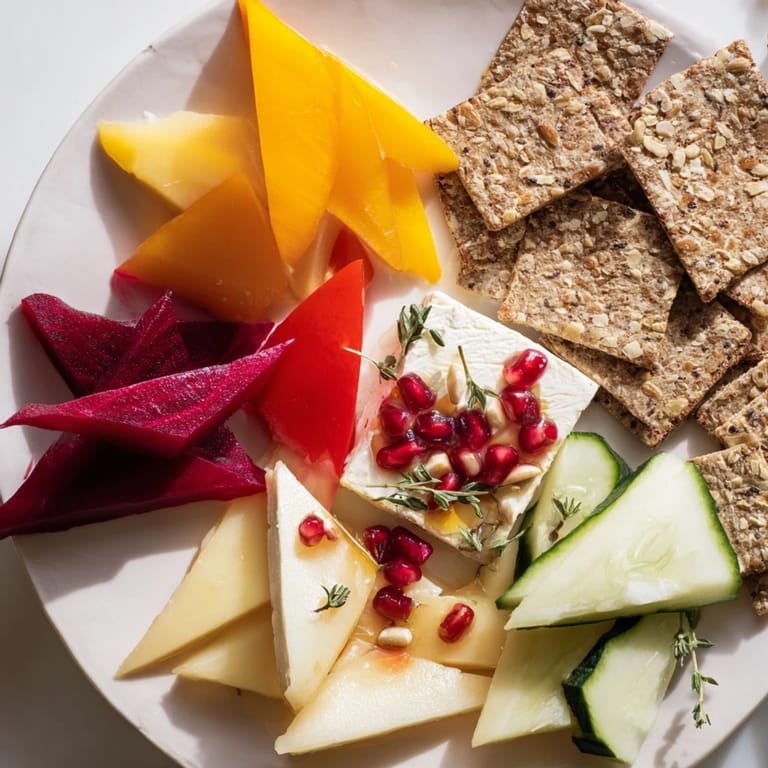
 I'll never forget the evening I discovered that appetizers don't need to taste complicated to look absolutely stunning. A friend mentioned wanting to impress guests at a dinner party, and I found myself thinking about geometry, pattern-making, and how food could become art on a board. That's when the tessellation triangle concept clicked into place—cut everything into triangles, fit them together like a puzzle, and suddenly you have a conversation starter before anyone even takes a bite. The Tessellation Triangle board was born from that moment, and it's become my secret weapon for making entertaining look effortlessly sophisticated.
I remember arranging this board for the first time while my partner watched skeptically from the kitchen doorway. "You're cutting everything into triangles?" she asked, laughing at my geometric obsession. But when guests arrived and their faces lit up seeing the interlocking pattern of jewel-toned vegetables, pale cheeses, and pomegranate pops of color, that moment made every precise cut worthwhile. Now whenever I make it, I think about how food became our family's unexpected love language.
Ingredients
- Aged Cheddar, 100 g, sliced into triangles: The firm texture holds its sharp, nutty character and creates beautiful golden geometry on your board. Slice it about a quarter-inch thick so it stands proud but isn't overwhelming.
- Manchego, 100 g, sliced into triangles: This Spanish cheese adds a slightly salty, creamy richness that balances the sharpness of the cheddar. Its pale color creates wonderful visual contrast.
- Goat Cheese, 100 g, chilled and cut into triangles: Keep it very cold before cutting—it makes the job infinitely easier. The tanginess and pale hue of goat cheese become an anchor point in your design.
- Cucumber, 1 medium, peeled and sliced into thin triangles: The cool crispness offers a refreshing counterpoint to rich cheeses. Peel it for a more refined appearance and consistent pale green color.
- Red Bell Pepper, 1 large, seeded and cut into triangles: This is your brightest jewel tone. Its natural sweetness and crunch make it irresistible, and the color draws the eye into your pattern.
- Beet, 1 small, cooked and sliced into very thin triangles: The deep magenta becomes almost jewel-like on your board. Cook it ahead and chill thoroughly—thin slices show its gorgeous color best.
- Pear, 1 large, cored and sliced into thin triangles: Choose a ripe but not overly soft pear. The subtle sweetness and delicate texture offer a gentler note among bolder flavors.
- Seedless Watermelon, 1/2 cup, cut into small triangles: Its sweetness and pale pink hue add another subtle layer. Cut smaller triangles so they fit the pattern without dominating.
- Whole Grain Crackers, 100 g, cut into triangles: These provide textural contrast and earthiness. If they're already triangle-shaped, you're in luck; if not, trim them thoughtfully.
- Roasted Almonds, 1/4 cup: These fill tiny gaps and add crunch where it matters. Toast them yourself if you can—homemade roasted nuts taste noticeably richer.
- Pomegranate Seeds, 1/4 cup: These ruby jewels become your gap-fillers and final garnish. They're as much about color as flavor, creating those final touches of visual drama.
- Honey, 2 tbsp, optional: A delicate drizzle over goat cheese triangles catches light and adds sophistication. Warm it slightly for easier drizzling.
- Fresh Herbs, thyme or mint: A light scatter of fresh herbs adds an unexpected garden freshness and breaks up the geometric precision just slightly.
Tired of Takeout? 🥡
Get 10 meals you can make faster than delivery arrives. Seriously.
One email. No spam. Unsubscribe anytime.
Instructions
- Set Your Foundation:
- Choose a large wooden board or platter—at least 16 inches across gives you room to work without cramping your design. Make sure it's clean and dry. Wood's natural warmth becomes part of your color story, complementing the vegetables and cheeses you're about to arrange.
- Cut Everything Uniformly:
- This is where patience becomes your best tool. Cut all cheeses, vegetables, fruits, and crackers into triangles of roughly the same size—about 2 inches on each side works beautifully. A sharp chef's knife or mandoline slicer makes this meditative rather than frustrating. The uniform sizing is what makes the tessellation pattern possible.
- Begin Your Pattern from One Corner:
- Start in a corner or one section of your board rather than the center. This gives you room to build outward and adjust as you go. Place your first few triangles, alternating colors and textures deliberately. Think of it like laying mosaic tiles—each piece influences its neighbors.
- Layer Colors and Textures Thoughtfully:
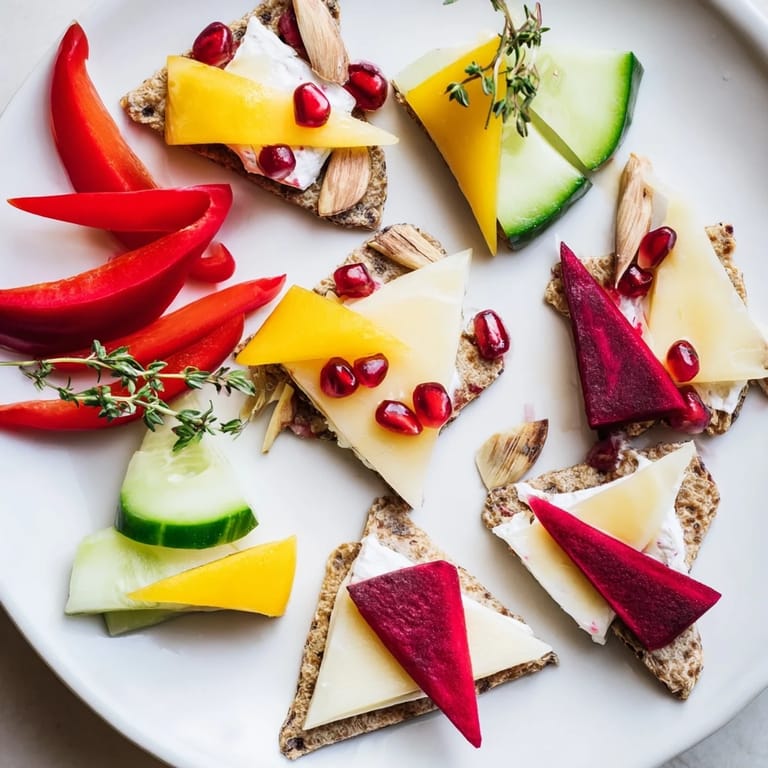
- Fit each triangle snugly against its neighbors, minimizing gaps as you go. Let your eye guide you—a pale cheese next to a deep beet, a crisp cucumber beside soft pear, a golden cracker anchoring bright pepper. The pattern should feel both balanced and organic, not too rigid.
- Cover the Entire Board:
- Work methodically across the board until every visible space holds a triangle. This might take longer than you expect, but that's where the magic happens. The time you invest is visible in the final arrangement.
- Fill Remaining Gaps with Treasures:
- Those tiny unavoidable gaps become your moment to shine. Fill them with pomegranate seeds and roasted almonds. These details transform a very good board into an unforgettable one. They catch light and add that final layer of visual richness.
- Add Final Flourishes:
- If using honey, warm it slightly so it drizzles elegantly over the goat cheese triangles. Scatter fresh herbs—thyme or mint—across the board with a gentle hand. These herbs should feel like an afterthought, a whisper of garden freshness.
- Serve Immediately:
- Bring your tessellation triangle board to the table while everything is still cool and crisp, before any edges begin to soften. Watch your guests pause before reaching for their first piece. That moment is yours.
 Pin It
 My sister called the day after I served this board at her birthday celebration and asked me to make it again for her wedding anniversary. That's when I realized this wasn't just pretty—it was memorable. People took photographs. They talked about it for weeks. A simple board of cut vegetables and cheese became the thing they remembered most, not because of complicated flavors but because I'd taken the time to make it an experience for their eyes first.
Why Tessellation Transforms Your Entertaining
There's something deeply satisfying about geometric precision in food, and your guests feel it even if they can't quite name it. The tessellation pattern appeals to our brains' love of order and beauty, making people linger longer than they might at a traditional appetizer spread. Every triangle fits snugly against its neighbor, creating a sense of intentionality and care that reads as respect for your guests. You're not just serving food—you're creating a moment of visual pleasure that happens before anyone takes a single bite.
Building Your Color Palette Like an Artist
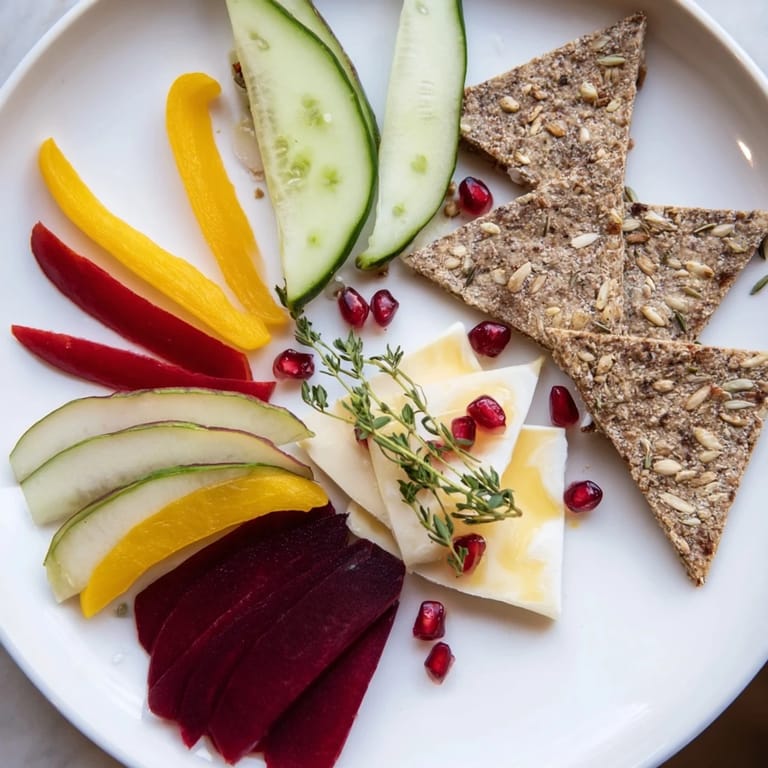
Think of your board as a painting where colors matter as much as flavors. The deep magenta of beets, jewel-bright reds of peppers, pale creams of cheeses, and ruby pomegranate seeds create a sophisticated palette that photographs beautifully and appeals to every sense at once. You don't need expensive ingredients to create something visually striking—you need to think about how colors interact and complement each other. This is where the real artistry lives, and anyone with a sharp knife can do it.
Making It Your Own, Every Single Time
While the template I've given you creates a stunning board, the beauty of tessellation is its flexibility. Swap seasonal vegetables—think crispy radishes in spring, heirloom tomatoes in summer, roasted butternut squash in fall. Try different cheeses based on what your cheese counter recommends. Add thin slices of cured meats for non-vegetarian versions. Each variation becomes a new conversation starter and teaches you something about how flavors work together on a board.
- Seasonal produce keeps your board relevant and your budget reasonable—buy what's in season and at peak flavor
- Texture variety matters as much as color variety; crispy, creamy, chewy, and soft create a more interesting eating experience
- Prep everything else in advance but assemble your board no more than an hour before serving to keep everything at its best
 Pin It
 Every time I make this board now, I'm reminded that entertaining doesn't need to be stressful or complicated. Sometimes the most memorable moments come from slowing down, being intentional, and letting food become something beautiful. Your guests will taste thoughtfulness in every bite.
Recipe FAQs
- → How do I achieve uniform triangle shapes?
Using a sharp chef's knife or mandoline slicer helps create consistent, thin triangular pieces from cheeses, fruits, and vegetables for precise tessellation.
- → What are good substitutes for dairy cheeses?
Plant-based cheeses can be used as alternatives to maintain similar textures and shapes while accommodating vegan preferences.
- → How should I arrange the triangles for best effect?
Start from one corner and alternate colors and textures, fitting each triangle closely to ensure a seamless interlocking pattern.
- → Can I add protein to the board?
Adding cured meats like prosciutto, cut into triangles, introduces savory flavors and a non-vegetarian option.
- → What drinks pair well with this board?
A crisp Sauvignon Blanc or sparkling water with citrus complements the fresh, varied flavors on the board.