 Pin It
 The first time I made this sauce, my youngest took one look at the chopping board full of carrots and peppers and crossed her arms. Thirty minutes later, she was licking the plate clean and asking what the secret ingredient was. That moment changed everything about how I approach feeding people who think they hate vegetables.
I started doubling this recipe after watching my friend's toddler, who typically survived on air and crackers, enthusiastically devour a bowl of pasta coated in this crimson sauce. The magic happens during that final blending step, transforming humble vegetables into something that feels indulgent and special rather than virtuous.
Ingredients
- 1 medium carrot, peeled and chopped: The natural sweetness in carrots balances the acidity of tomatoes, creating that deep, rounded flavor people think only comes from hours of simmering.
- 1 small zucchini, chopped: Zucchini practically disappears when blended, but contributes creaminess and body without any dairy.
- 1 bell pepper (red or orange), seeded and chopped: Red peppers add subtle fruitiness that makes the sauce taste more complex and restaurant worthy.
- 1 small onion, chopped: The foundation that builds depth as it caramelizes, so do not rush this step.
- 2 cloves garlic, minced: Add it after the other vegetables have softened so it does not turn bitter.
- 1 celery stalk, chopped: This classic mirepoix ingredient adds savory, aromatic background notes that make the sauce taste complete.
- 2 cans (400 g each) crushed tomatoes: Use good quality crushed tomatoes, not diced, for the smoothest final texture.
- 2 tbsp tomato paste: This concentrates the tomato flavor and adds richness.
- 1 tbsp olive oil: A little fat helps your body absorb the vitamins from all those vegetables.
- 1 tsp dried oregano: Dried herbs work beautifully here since they will cook long enough to rehydrate and bloom.
- 1 tsp dried basil: The combination of oregano and basil creates that classic Italian flavor profile.
- 1/2 tsp salt (or to taste): Season throughout the process, not just at the end.
- 1/4 tsp black pepper: Freshly cracked pepper adds a gentle warmth that highlights the vegetables.
- 1/2 tsp sugar (optional): Use this only if your tomatoes taste particularly acidic.
- Pinch of red pepper flakes (for heat): A tiny pinch adds background warmth without making it spicy.
- Fresh basil, chopped, for garnish: Fresh basil at the end brightens everything and makes the dish feel special.
Tired of Takeout? 🥡
Get 10 meals you can make faster than delivery arrives. Seriously.
One email. No spam. Unsubscribe anytime.
Instructions
- Build Your Vegetable Foundation:
- Heat olive oil in a large saucepan over medium heat, then add onion, carrot, celery, zucchini, and bell pepper. Sauté for 8 to 10 minutes until the vegetables soften and begin to smell sweet.
- Wake Up the Garlic:
- Add the minced garlic and cook for just 1 minute until fragrant, being careful not to let it brown or it will turn bitter.
- Concentrate the Flavors:
- Stir in the tomato paste and let it cook for 1 minute, which deepens its flavor and adds richness to the final sauce.
- Create the Base:
- Add the crushed tomatoes, oregano, basil, salt, pepper, and sugar if using. Bring everything to a gentle simmer, watching as the vegetables and tomatoes meld together.
- Develop Deep Flavor:
- Cover and cook for 20 to 25 minutes, stirring occasionally, until the vegetables are completely tender and have released all their sweetness into the sauce.
- Transform the Texture:
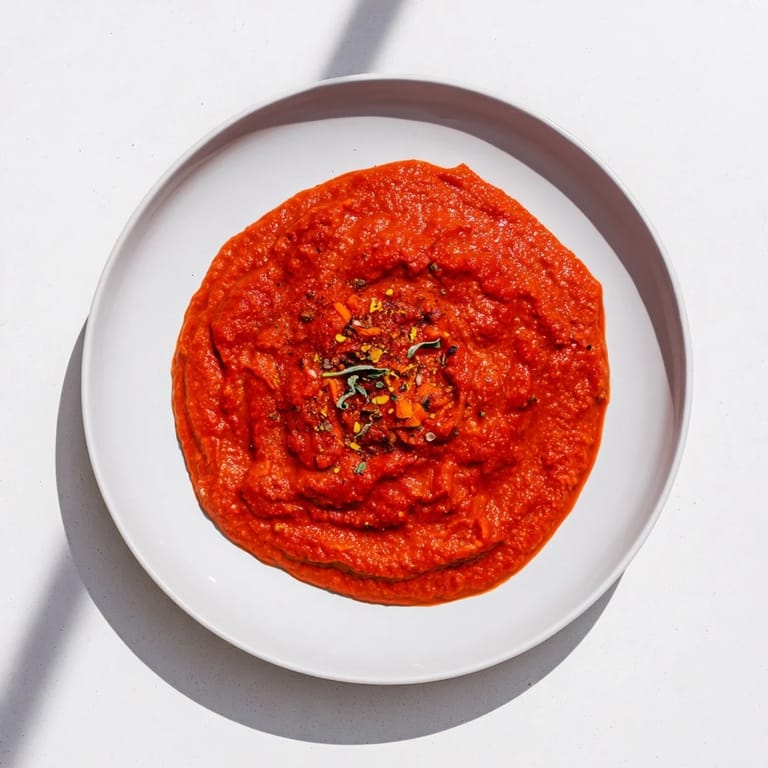
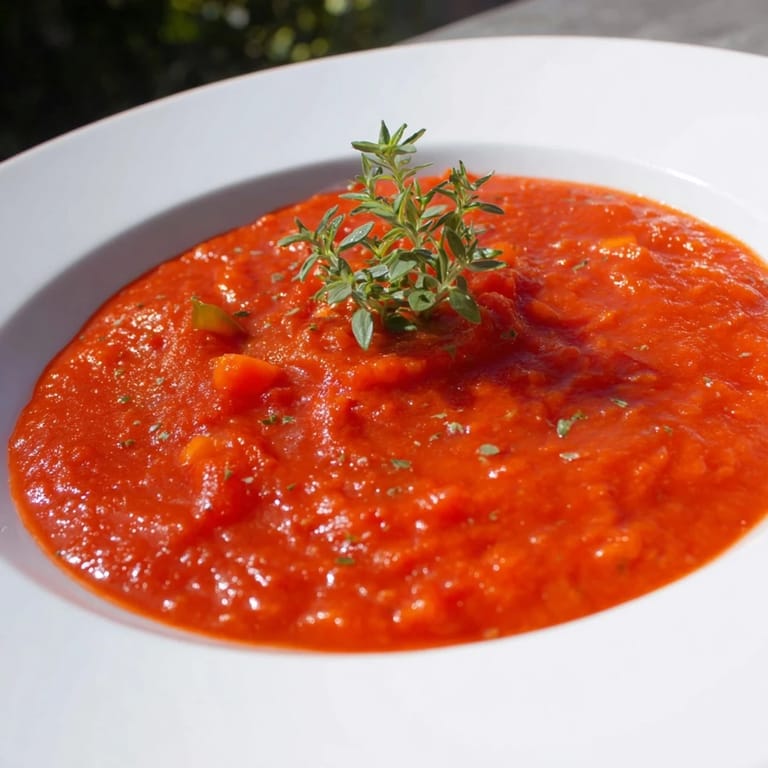
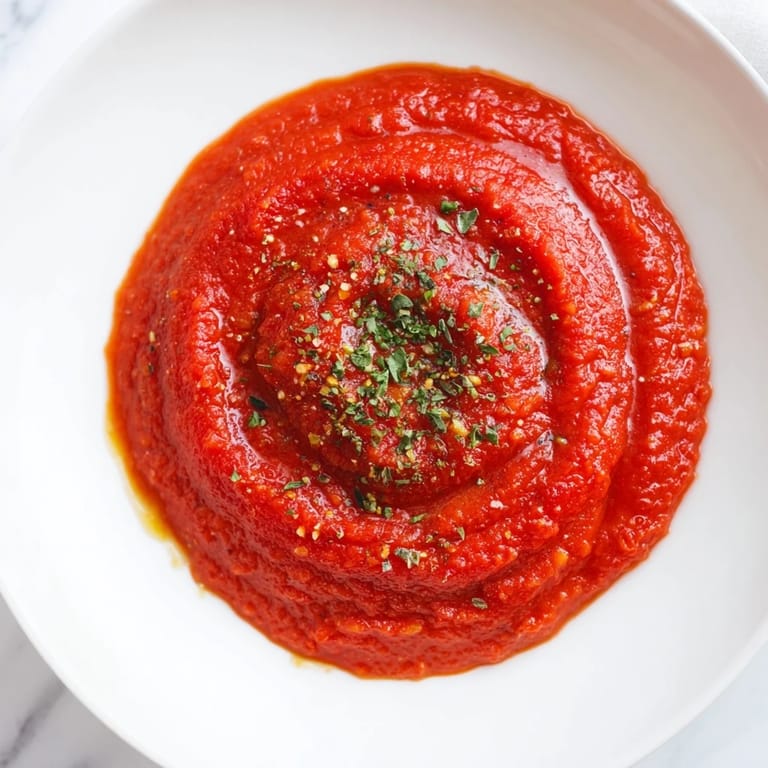
- Remove from heat and use an immersion blender to purée the sauce until completely smooth, or blend in batches in a countertop blender.
- Final Seasoning:
- Return the sauce to low heat and simmer uncovered for 5 to 10 minutes, tasting and adjusting salt and pepper as needed.
- Finish and Serve:
- Serve hot over your favorite pasta, adding fresh basil on top if you want to make it look as good as it tastes.
 Pin It
 My sister in law served this at a family dinner without mentioning the vegetables until everyone had finished eating. When she finally revealed what was in it, my brother who has eaten nothing but pasta with plain butter for thirty years actually asked for the recipe. That is when I realized this was not just a recipe, but a secret weapon.
Make It Your Own
Once you have the basic technique down, this sauce becomes a canvas for whatever vegetables you have on hand or need to use up. I have made versions with butternut squash in fall and added roasted red peppers in summer. The key is keeping the total vegetable volume roughly the same so the sauce consistency stays perfect.
Pairing Suggestions
This sauce clings beautifully to shapes like penne and fusilli because all those nooks and crannies catch the smooth sauce. Whole wheat pasta works exceptionally well here since the robust sauce stands up to the nutty flavor. For something different, try it over polenta or use it as a base for vegetarian lasagna where no one will miss the meat.
Storage and Meal Prep
Portion cooled sauce into freezer safe bags or containers, laying them flat to save space. The sauce keeps in the refrigerator for up to 5 days or in the freezer for 3 months. Thaw overnight in the refrigerator when you need a quick dinner, or reheat frozen portions directly in a saucepan over low heat.
- Double the recipe and freeze half for busy weeks.
- Label containers with the date so you use the oldest ones first.
- Add a splash of water when reheating if the sauce has thickened in the fridge.
 Pin It
 There is something deeply satisfying about watching people happily eat food that is secretly so good for them. This sauce proves that eating more vegetables does not have to mean sacrificing pleasure or comfort.
Recipe FAQs
- → What vegetables are used in this sauce?
Carrot, zucchini, bell pepper, onion, celery, and garlic create the flavorful vegetable base.
- → How is the smooth texture achieved?
Vegetables and tomato base are pureed using an immersion or countertop blender until completely smooth.
- → Can this sauce be frozen for later use?
Yes, it freezes well for up to 3 months, making it convenient for meal prep.
- → What seasonings enhance the flavor?
Dried oregano, basil, salt, pepper, and optional sugar balance acidity and enrich the taste.
- → Are there options to boost nutrition?
Adding spinach, broccoli florets, lentils, or white beans increases fiber and protein content.
- → What cooking tools are recommended?
A large saucepan, immersion blender, wooden spoon, and basic knife and cutting board are needed.