 Pin It
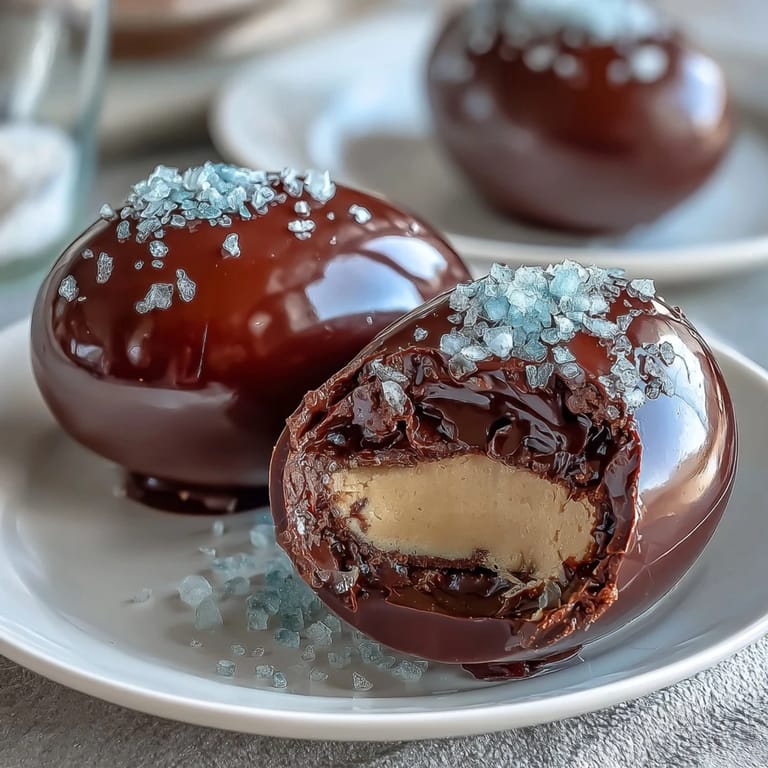
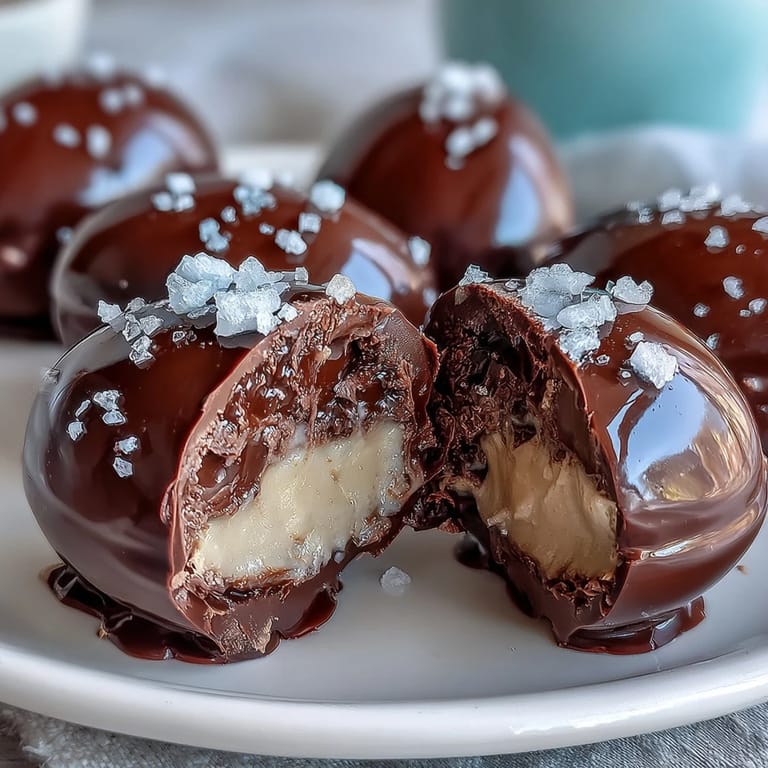
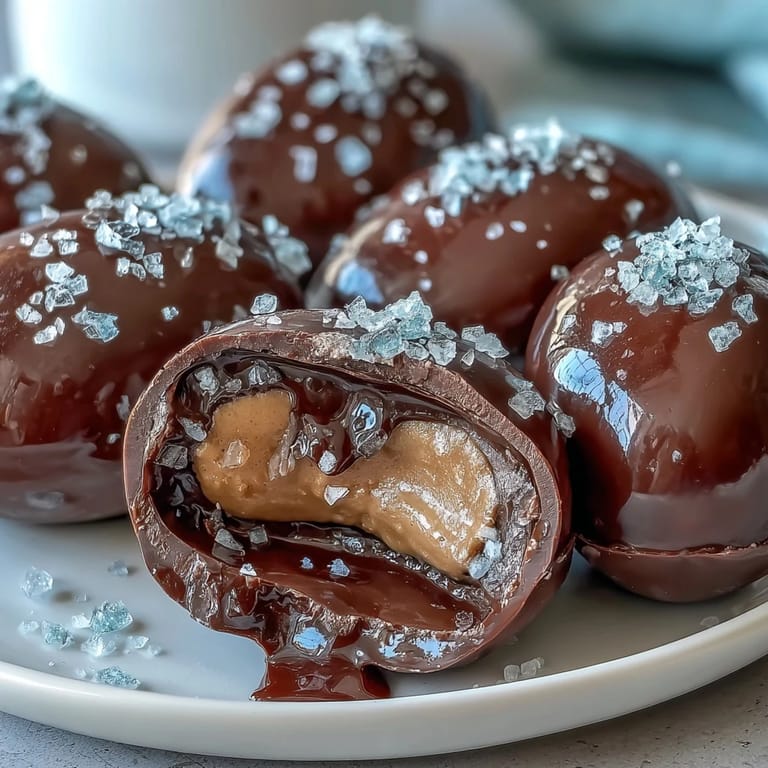
 When the kitchen starts smelling like melted dark chocolate and toasted peanuts, it's impossible not to smile. One lazy Saturday before Easter, I decided to try out homemade chocolate eggs instead of just reaching for store-bought ones — mostly to see if the hype was real. As music played and my cat circled the counter, I scooped peanut butter with a teaspoon, wondering if these little treats would hold their shape. They ended up looking delightfully rustic, and I couldn't help but laugh at my first attempt when one egg turned into a peanut butter blob. No matter the outcome, the sweet scent was a promise of something good.
Last Easter, I made these for my family, and we ended up gathered around the kitchen island, giggling about the oddly shaped eggs and who could spot the biggest one. Everyone wanted seconds — even my brother, notorious for ignoring any "homemade" candy. That moment felt as much about making memories as it did about making dessert. There was chocolate on fingers and sea salt on the floor (oops), but that's how you know it's really your kitchen.
Ingredients
- Creamy Peanut Butter: Choose one with minimal sugar for the best balance; a quick stir before measuring ensures a smooth filling.
- Unsalted Butter: Let it soften at room temperature so it blends fully without any lumps.
- Powdered Sugar: Gives the filling structure without making it gritty; sift it if you find clumps.
- Pure Vanilla Extract: A half teaspoon is just enough to elevate the peanut butter's warmth.
- Fine Sea Salt: A pinch here sharpens flavor and keeps the sweetness from feeling flat.
- Dark Chocolate (60–70% cocoa): Chop it small so it melts evenly; the higher cocoa makes the shell rich and crisp.
- Coconut Oil: A tablespoon helps the chocolate cover the eggs more smoothly, but it's optional if you prefer a thicker shell.
- Flaky Sea Salt: Sprinkle on top while the chocolate is wet — it brings out the peanut butter and adds crunch.
Tired of Takeout? 🥡
Get 10 meals you can make faster than delivery arrives. Seriously.
One email. No spam. Unsubscribe anytime.
Instructions
- Prep the Sheet:
- Lay out parchment paper on a baking sheet; this makes cleanup easy and keeps the eggs from sticking.
- Make the Filling:
- In a mixing bowl, combine peanut butter, softened butter, powdered sugar, vanilla, and a pinch of salt. Mix until everything is smooth and thick, with no powdery spots.
- Shape Eggs:
- Scoop out about 2 tablespoons of filling and gently shape it into an egg with your hands; don't worry about perfection — rustic is charming.
- Freeze:
- Place all shaped eggs on the prepared baking sheet and freeze for 30 minutes, until they’re firm and easy to dip.
- Melt Chocolate:
- Chop the chocolate and melt it with coconut oil (if using) in a heatproof bowl over simmering water, stirring as it melts, or microwave in 30-second bursts until silky.
- Coat Eggs:
- Use a fork to dip each chilled egg into the melted chocolate; let the excess drip off before setting them back on the sheet.
- Add Salt:
- Immediately sprinkle each freshly coated egg with flaky sea salt before the chocolate sets, so it sticks well.
- Chill Again:
- Refrigerate the eggs for at least 15 minutes until the chocolate is firm, then serve them chilled or let them come up to room temp for extra softness.
 Pin It
 One quiet evening, I found myself standing by the fridge, eating these eggs straight from the container. I realized I wasn’t just craving dessert — I was chasing that cozy feeling the kitchen gives when homemade treats are waiting, ready for sharing (or midnight snacks).
How to Get Perfect Peanut Butter Filling
Getting the filling just right is all about mixing slowly and scraping down the sides — rushing leads to streaks of sugar or uneven texture. Don’t skip sifting the powdered sugar if it’s clumpy, and use a sturdy spoon for even blending. I learned to avoid overmixing, which can make the butter melt and the filling slippery.
Melting Chocolate Without Fuss
The best chocolate coating comes from gentle heat. I tried microwaving chocolate all at once and ended up with scorched bits, so now I melt in short bursts and stir in between. Using a double boiler is slower, but I rarely burn anything, and the smell of melting chocolate is almost as good as the taste.
Storing and Serving Your Easter Eggs
These eggs keep well in the fridge, and I actually like them better cold. If you want to freeze them, wrap tightly and let thaw before serving — they’re just as delicious, with a snappier chocolate shell.
- Sprinkle sea salt quickly before the chocolate sets, or it will slide off.
- Eggs stay fresh for up to a week in the fridge, or two months in the freezer.
- Check that your chocolate is gluten-free if you’re sensitive.
 Pin It
 Whether you make them for Easter or a random Tuesday, these eggs become a small celebration with every bite. I hope your kitchen fills up with laughter and chocolate — and maybe a little sea salt on the floor.
Recipe FAQs
- → How do I achieve a smooth chocolate coating?
Adding coconut oil to melted chocolate creates a silkier finish, but you can omit for a thicker shell.
- → Can I use crunchy peanut butter?
Yes, crunchy peanut butter will add extra texture to the filling.
- → How should I store these treats?
Keep them in an airtight container in the refrigerator for up to a week, or freeze for longer storage.
- → Are these suitable for gluten-free diets?
They are gluten-free if all ingredients are certified gluten-free. Check labels for confirmation.
- → Is it necessary to use a double boiler for melting chocolate?
No, you can use either a microwave in short pulses or a double boiler to melt the chocolate safely.
- → What allergens are present?
These contain peanuts and dairy, and may include soy depending on the chocolate used.