 Pin It
 I discovered hojicha cheesecake by accident during a quiet afternoon in a small Tokyo café, where the nutty aroma of roasted tea leaves seemed to drift from everywhere at once. The pastry chef there explained that hojicha's deep, almost smoky flavor could transform something as familiar as cheesecake into something entirely new. Years later, I finally attempted it at home, and the moment that swirl of tea-infused cream mixed into the plain batter, I understood why she'd been so passionate about it.
I made this for my neighbor once on a gray November evening, and she sat in my kitchen watching the oven light with such focus you'd think we were baking gold. When she tasted it, her eyes closed for a full moment before she asked for the recipe in that tone people use when they've experienced something that mattered. That's when I realized this cheesecake wasn't just about the hojicha—it was about creating a reason for people to pause and pay attention.
Ingredients
- Graham cracker crumbs (200 g): The foundation needs to be sturdy but not compacted like concrete; you want it to stay together while remaining tender when bitten through.
- Unsalted butter, melted (90 g): The ratio here is precise because too much butter makes the crust greasy, but too little leaves it crumbly and sad.
- Granulated sugar (2 tbsp for crust, 150 g for filling): Don't skip the small amount in the crust—it adds just enough sweetness to balance the slight bitterness of the roasted tea.
- Salt (pinch): A whisper of salt everywhere brings out flavors you didn't know were hiding.
- Hojicha loose leaf tea or tea bags (2 tbsp or 2 bags): Loose leaf gives more control over steeping time, but bags work perfectly if you're in a hurry; avoid the powdered version here since you'll be steeping it.
- Heavy cream (120 ml for hojicha, 120 ml for filling): Keeping these separate means you can control the intensity of each component independently.
- Cream cheese, softened (450 g): Room temperature is non-negotiable—cold cream cheese creates lumps that no amount of beating will fix.
- Eggs (2 large): Add them one at a time and actually pause between them; rushing this step invites air bubbles and uneven texture.
- Sour cream (120 ml): This adds a subtle tang that keeps the cheesecake from feeling one-dimensional sweet.
- Vanilla extract (1 tsp): One teaspoon is enough to support the hojicha without competing for attention.
- All-purpose flour (1 tbsp): This tiny amount stabilizes the filling and prevents cracking during cooling.
Tired of Takeout? 🥡
Get 10 meals you can make faster than delivery arrives. Seriously.
One email. No spam. Unsubscribe anytime.
Instructions
- Prepare your space:
- Preheat the oven to 160°C (325°F) and line the bottom of your springform pan with parchment paper—this step feels small but prevents the crust from sticking and making removal messy.
- Build the crust:
- Mix your graham cracker crumbs with melted butter, sugar, and salt until it feels like wet sand, then press it firmly but gently into the pan bottom. Bake for 10 minutes until it smells toasted, then let it cool completely so the cheesecake batter doesn't sink into warm crumbs.
- Steep the hojicha:
- Heat the heavy cream until steam rises in gentle wisps, then add your hojicha tea and cover it immediately—this traps the aromatic oils. After 10 minutes, strain carefully and let it cool to room temperature, which is crucial because pouring hot liquid into your filling will scramble the eggs.
- Create the filling:
- Beat your softened cream cheese in a large bowl until it's completely smooth with no lumps, taking about 2 minutes. Add sugar gradually while mixing, then introduce eggs one at a time, beating just enough to combine after each addition.
- Finish the batter:
- Fold in the sour cream, vanilla, and flour until just combined—overbeating here can make the cheesecake dense. The moment you can't see streaks anymore, stop.
- Create the marble:
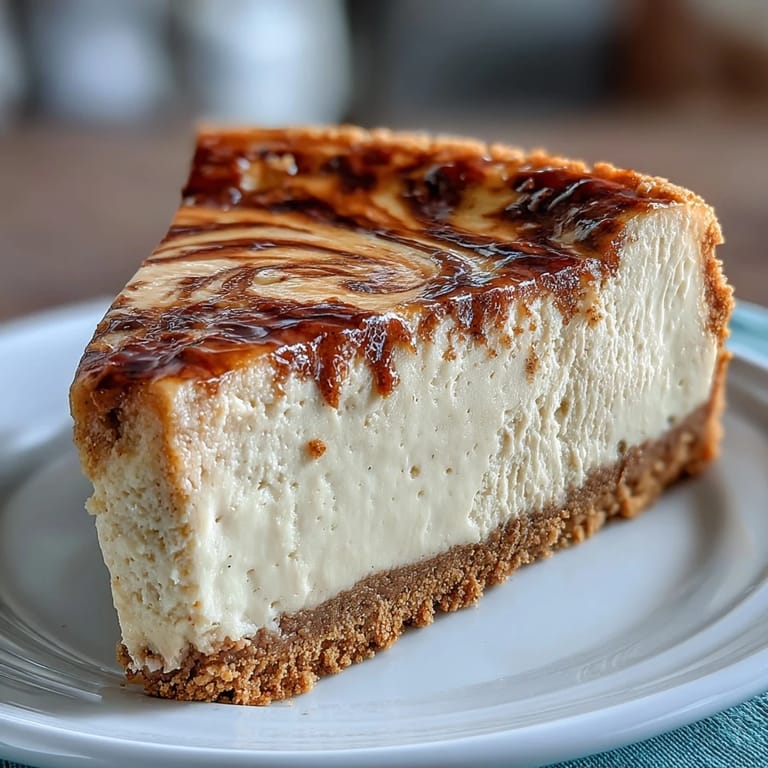
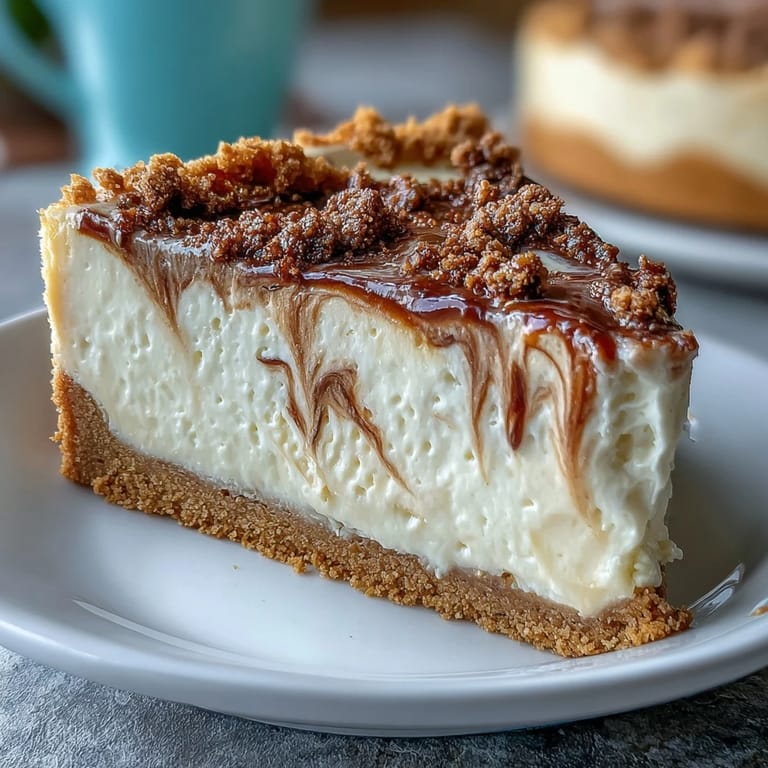
- Pour most of the plain batter over your cooled crust, then drop spoonfuls of hojicha-infused batter across the top. Use a skewer or thin knife to drag gently through the batters in a figure-eight or random pattern, but don't overwork it—the most beautiful swirls happen when you resist the urge to overmix.
- Bake with patience:
- Place the pan on a baking tray and bake for 40–45 minutes until the edges appear set but the very center jiggles slightly when you give the pan a gentle shake. The residual heat will continue cooking the center after you turn off the oven.
- Cool gradually:
- Turn off the oven and crack the door open about 4 inches, letting the cheesecake sit inside for a full hour. This slow temperature change prevents the top from cracking as it contracts.
- Chill completely:
- Remove from the oven, cool to room temperature, then refrigerate for at least 5 hours or overnight—this resting period allows flavors to develop and the texture to set to perfect creamy firmness.
 Pin It
 I learned something important the third time I made this: the cheesecake tastes noticeably better the day after baking, when the flavors have settled into each other and the hojicha has fully integrated. That first slice might be beautiful, but patience transforms it into something transcendent.
The Magic of Hojicha
Hojicha is roasted green tea that smells like autumn in a cup—nutty, slightly earthy, with hints of caramel that develop during the roasting process. Unlike regular green tea's grassy brightness, hojicha brings warmth and depth, which is why it works so beautifully against the richness of cheesecake. The roasting actually lowers the caffeine content, so this is a dessert you can serve in the evening without keeping anyone awake.
Troubleshooting Your Cheesecake
Cracks on top usually mean the cheesecake cooled too quickly or baked too hot, which is why the gradual cooling step feels so important even though it adds time. If you open the oven door during baking before the edges are set, cold air rushing in can also cause the surface to collapse slightly. A water bath—placing your springform pan inside a larger roasting pan filled with hot water—is the professional move here, though it requires more setup and isn't strictly necessary if you follow the low temperature and slow cooling protocol.
Serving and Storing
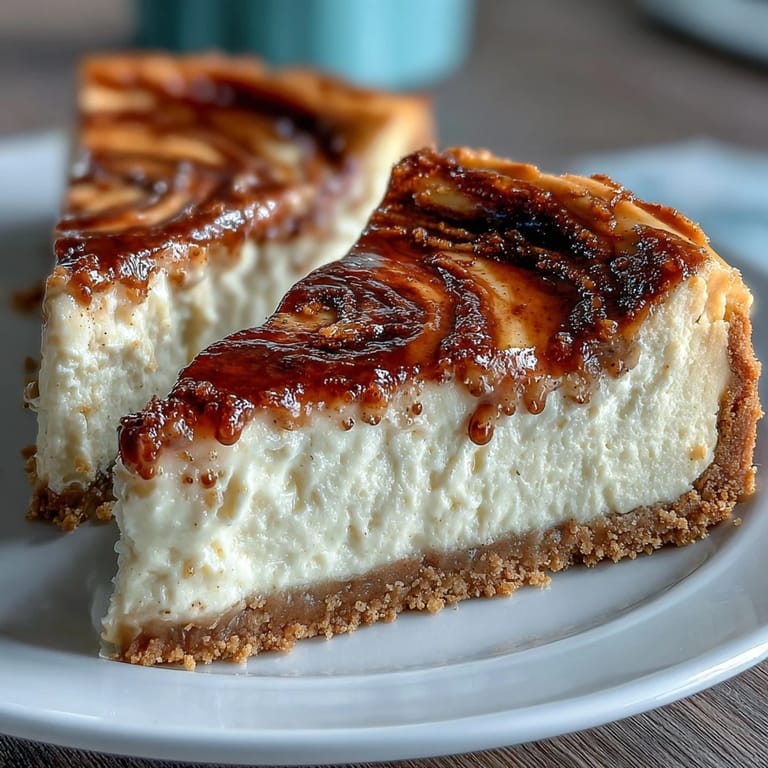
Serve each slice at room temperature or slightly chilled, depending on your preference—I prefer it just barely cold so the hojicha flavor comes through clearly. A dusting of hojicha powder on top looks beautiful and tastes even better, or add a dollop of unsweetened whipped cream to balance the richness.
- Store leftovers covered in the refrigerator for up to 5 days, and yes, you'll keep finding reasons to eat another slice.
- You can freeze individual slices for up to 3 months, though the texture becomes slightly less silky when thawed.
- If hojicha isn't available in your local shops, look for it online or substitute with finely ground matcha mixed with a tiny bit of coffee for a vaguely similar flavor profile.
 Pin It
 This cheesecake reminds me that the best desserts aren't about complexity but about respecting each ingredient enough to let it be itself. Make this when you want something that feels both special and deeply comforting.
Recipe FAQs
- → What does hojicha taste like in cheesecake?
Hojicha adds roasted, earthy notes with subtle caramel undertones that complement the creamy cheesecake beautifully. The flavor is mellower than matcha, with a warm, toasty profile that pairs naturally with the rich dairy elements.
- → Can I use hojicha powder instead of loose leaf tea?
Yes, hojicha powder works well and creates a more intense flavor. Use about 1 tablespoon of powder steeped in the cream, or whisk it directly into the batter portion that will be swirled.
- → Why does the cheesecake need to cool in the oven with the door cracked?
This gradual cooling method prevents sudden temperature changes that can cause cracking. The cheesecake continues setting gently as it cools, resulting in a smooth surface and creamy texture throughout.
- → How long should I chill the cheesecake before serving?
Refrigerate for at least 5 hours, though overnight chilling is ideal. This allows the flavors to develop fully and the texture to set completely, making clean slices easier to achieve.
- → What can I use if I don't have graham crackers?
Digestive biscuits work wonderfully as a substitute. Other options include vanilla wafers, shortbread cookies, or even crushed butter cookies for the crust foundation.
- → Can I freeze this cheesecake?
Yes, wrap the chilled cheesecake tightly in plastic wrap and aluminum foil, then freeze for up to 3 months. Thaw overnight in the refrigerator before serving for best results.