 Pin It
 I discovered microwave pasta during a chaotic Tuesday in my tiny office kitchen when the break room microwave became my unlikely hero. Standing there with ten minutes before a meeting, I dumped dried pasta into a bowl with water and hit start, half expecting disaster. What emerged was perfectly al dente pasta that tasted just as good as anything from a stovetop, and suddenly my lunch options exploded. It felt like unlocking a secret that should have been obvious all along.
My roommate was skeptical the first time I made this in front of her, convinced I was wasting pasta and electricity. When she tasted it, the look of surprise on her face was worth every smug moment that followed. Now she makes it twice a week between her erratic work shifts, and it's become the dish that actually gets her to sit down and eat instead of grabbing yet another granola bar.
Ingredients
- Dried pasta: Penne, fusilli, or elbow macaroni all work beautifully; pick shapes that feel good to eat, because texture matters even in a microwave meal.
- Water: Use 500 ml to start, but don't panic if you need to add a splash more—different microwaves heat differently, and pasta is forgiving about a little extra liquid.
- Salt: Just a half teaspoon right in the water; it seasons the pasta as it cooks instead of adding it after.
- Sauce: Marinara, pesto, or Alfredo all shine here, store-bought or homemade, because the microwave method doesn't care about your sauce's pedigree, only its flavor.
- Parmesan cheese: Optional but honestly the melted edge that makes this feel intentional rather than desperate.
- Fresh herbs: Basil or parsley scattered on top costs almost nothing and transforms the whole vibe of the bowl.
Tired of Takeout? 🥡
Get 10 meals you can make faster than delivery arrives. Seriously.
One email. No spam. Unsubscribe anytime.
Instructions
- Get it in the bowl:
- Place your dried pasta in a large microwave-safe bowl and pour in the water with salt, making sure every strand is submerged. If your bowl feels shallow, add a bit more water because pasta wants room to move around.
- First blast:
- Microwave uncovered on high for 4 minutes, then open the door and give everything a good stir. The stirring prevents clumping and helps the pasta cook evenly.
- Keep checking:
- Microwave in 2 to 3 minute increments, stirring after each one, until the pasta tastes like pasta instead of crunchy sadness. Total time usually lands somewhere between 8 and 12 minutes depending on your microwave's temperament.
- Fish it out:
- The bowl will be hot enough to demand respect, so use an oven mitt or let it cool for 10 seconds. Drain the water carefully using a fine-mesh sieve or by tilting the bowl while holding the pasta back with a fork.
- Sauce it up:
- Pour your sauce directly onto the hot pasta and stir until everything is coated and happy. The residual heat will warm the sauce perfectly.
- The finish:
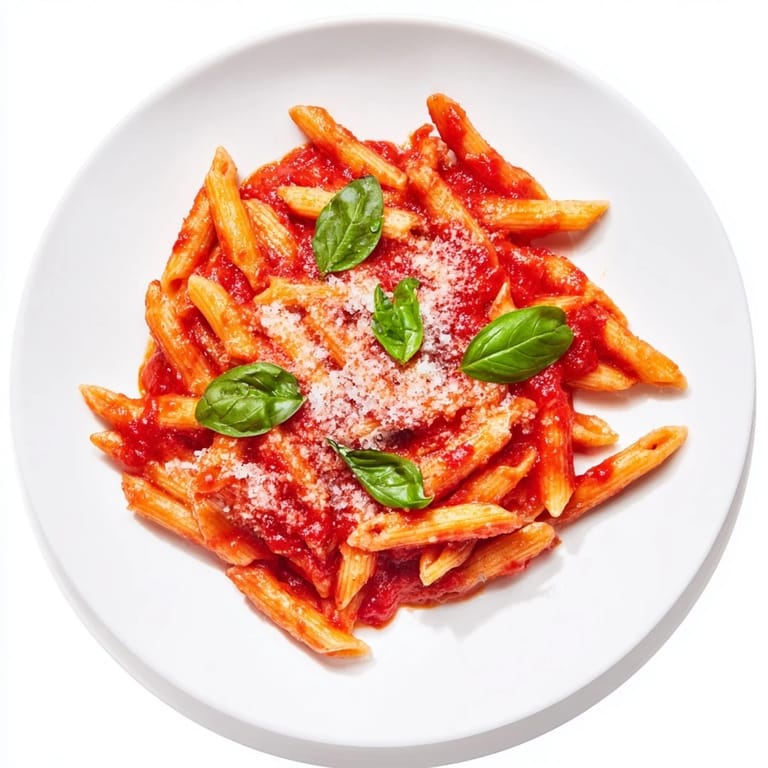
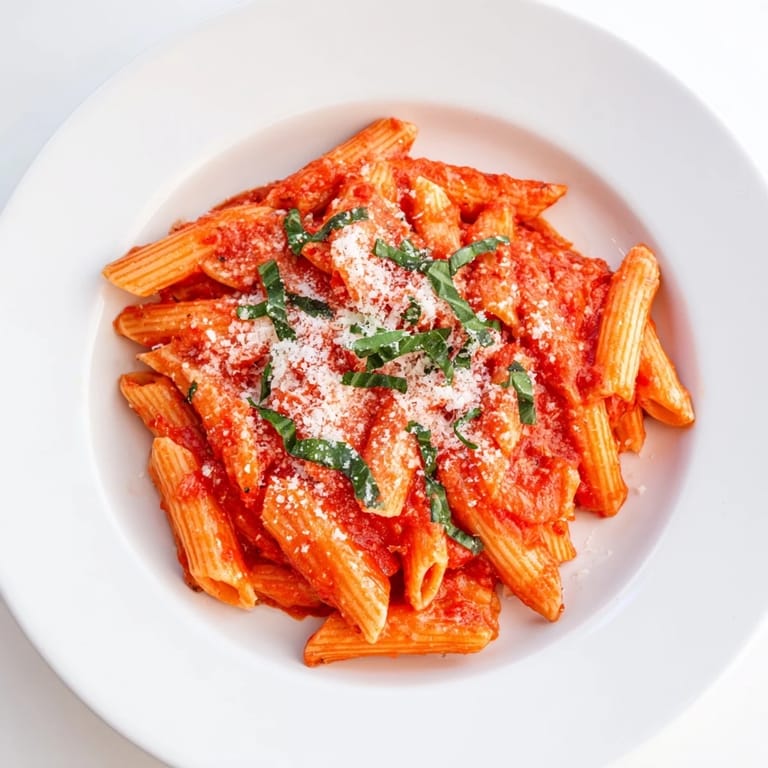
- Top with Parmesan if you have it, scatter on some fresh herbs, taste it, adjust salt and pepper, and eat it hot while the warmth is still there.
 Pin It
 Late one night while studying for an exam I didn't feel ready for, I made this pasta and sat at my desk eating it straight from the bowl. Something about the simplicity of it, the fact that I could make a real meal in moments without stressing about pots or cleanup, made everything feel less impossible. I finished the pasta and felt steadier somehow, like my body understood what my brain needed even when I couldn't articulate it.
Why This Method Actually Works
The microwave heats water faster than a stovetop because it energizes the water molecules directly, creating steam that surrounds and cooks the pasta all at once. There is no dramatic boiling, no risk of water boiling over the edge of a pot onto your stove, and somehow the pasta absorbs the salt and comes out tasting intentional. Once you understand that the microwave is not cheating or cutting corners but simply doing the job differently, you stop feeling guilty about using it.
Pasta Shapes and Cooking Times
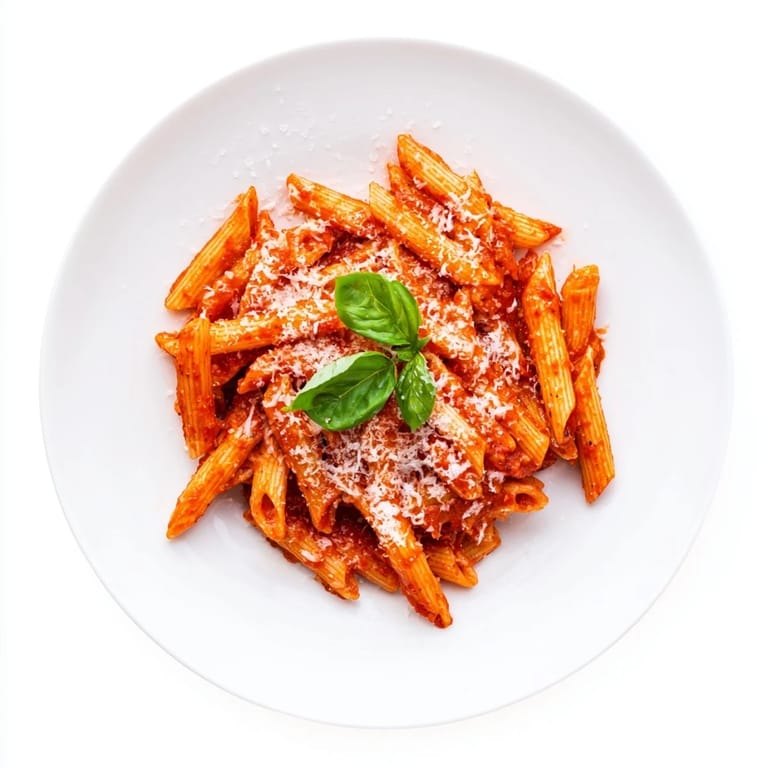
Smaller, denser shapes like elbow macaroni cook faster than longer strands, so if you use something delicate, start checking around the 6 or 7 minute mark. Twisted shapes like fusilli trap sauce in their spirals, while tubes like penne let sauce flow through the middle, so pick based on which experience appeals to you that day. Thicker pasta holds its texture better through reheating, which matters if you are making this for lunch to eat later.
Make It More Than Pasta
Frozen peas or spinach added in the last two minutes of cooking add nutrition without requiring extra planning or prep work. Shredded cooked chicken, canned chickpeas, or even a handful of frozen shrimp turned this from a side dish into a complete meal that actually sustained me through long afternoons. A light splash of olive oil at the end or a pinch of red pepper flakes can shift the whole mood of the bowl.
- Frozen vegetables cook quickly in the residual heat and the steam, so do not use fresh vegetables unless you blanch them first.
- Protein additions should be pre-cooked or canned so they only need warming rather than cooking from raw.
- Save your sauce decision for after you know what else is going in the bowl, because a creamy Alfredo feels different than bright marinara when there is chicken involved.
 Pin It
 This is not fancy food, but it is honest food made without stress, and that counts for something. When you are tired or in a hurry or need to eat before you have time to think too hard about it, this bowl of pasta delivers exactly what you need.
Recipe FAQs
- → Can I use any pasta type?
Short pasta shapes like penne, fusilli, or elbow macaroni work best to ensure even cooking in the microwave.
- → How do I know when the pasta is done?
Check texture by tasting; it should be tender yet firm. Stir mid-cook and continue microwaving in short intervals if needed.
- → Can I add vegetables during cooking?
Yes, adding frozen peas or spinach in the last couple of minutes enriches the dish with extra nutrients and flavor.
- → What sauces pair well with this pasta?
Marinara, pesto, and Alfredo sauces complement the pasta, allowing flexibility based on preference or pantry staples.
- → Is draining the pasta necessary?
Yes, removing excess water before adding sauce ensures proper texture and prevents dilution of flavors.